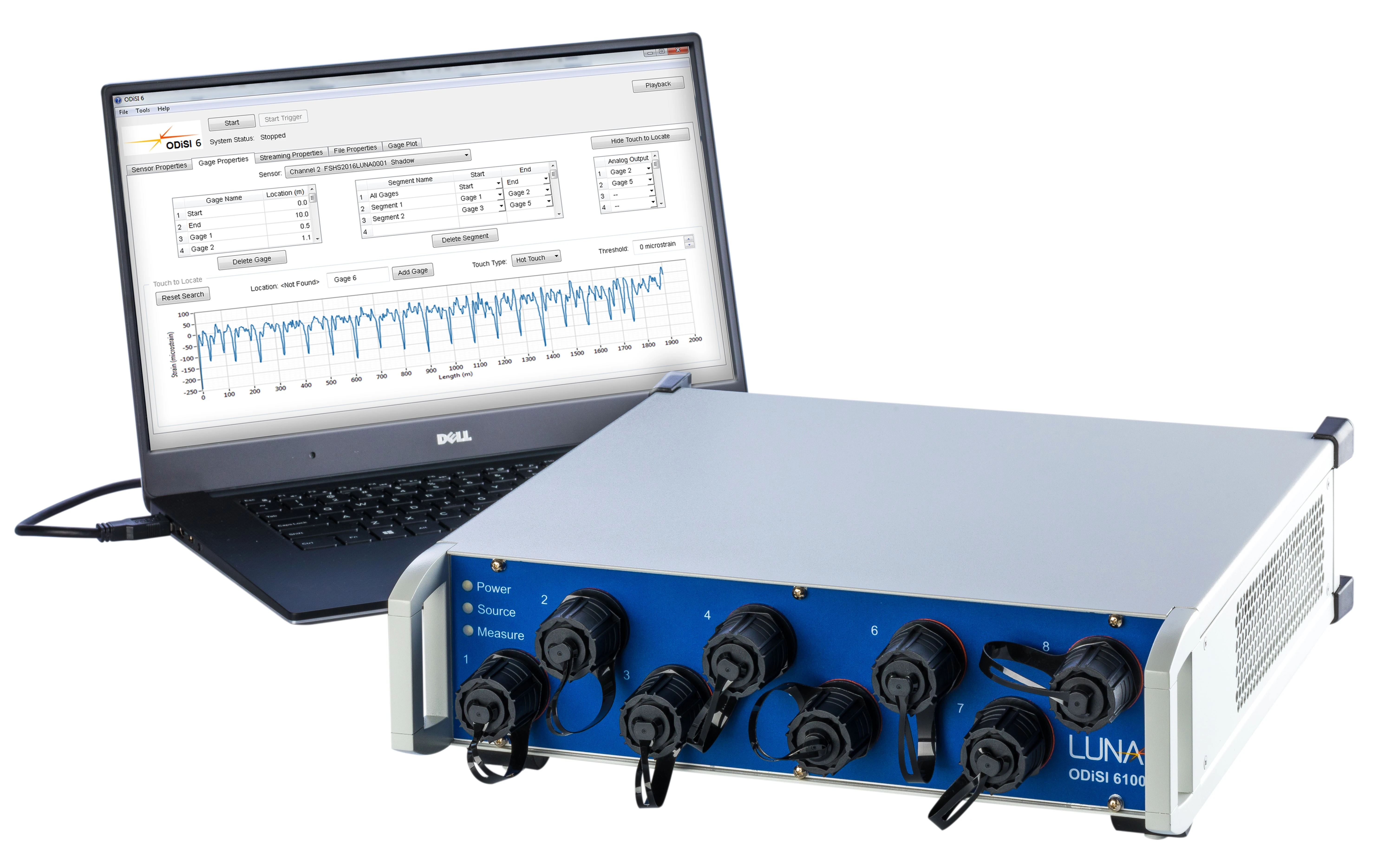
Luna ODiSI 6001 Optical Distributed Sensor Interrogator (ODiSI 6000 Series)
ODiSI 600x-class distributed fiber optic strain and temperature interrogator from the ODiSI 6000 Series, using a standard 5.2 mm gage pitch.
- Number of channels
- 1, 2, 4 or 8
- Gage pitch (HD sensors)
- 5.2 mm
- Max measurement rate
- 30 Hz
- Strain-compensated temperature sensors
- Supported
Overview
The ODiSI 6001 is a model in the ODiSI 600x line of the Luna ODiSI 6000 Series of high-definition fiber optic sensing (HD-FOS) interrogators. Luna has discontinued the ODiSI 6000 Series and lists the ODiSI 7100 Series as its replacement.
The interrogator measures Rayleigh backscatter in low-cost, unaltered optical fiber, which lets it record many strain or temperature measurements along each meter of a single fiber sensor. The ODiSI 600x models support a gage pitch of 5.2 mm. ODiSI 600x systems also work with continuous fiber grating (CFG) sensors, which tolerate vibration better and give improved dynamic performance. With the optional Extended Range Remote Modules, they also support strain-compensated (HD-SC) temperature sensors.
System and software
The system includes the mainframe, an instrument controller laptop running the ODiSI application software (Linux OS), and one standoff cable and standard-length remote module per channel. The software identifies sensors automatically and sets up measurement modes, timing, triggering and data logging. It can save, replay and export data and stream it in real time over Ethernet. ODiSI Remote software for Windows and Linux allows remote control and viewing. The optional 3DViz software maps data onto 3D CAD models or 2D images.
Integration
For integration with other systems, the ODiSI system provides IEEE 1588 PTP network time synchronization, a JSON-based streaming data format, a TTL sync output pulse, and start and stop triggering.
Key Features
- High-definition distributed sensing based on Rayleigh backscatter in unaltered optical fiber
- ODiSI 600x models support a gage pitch of 5.2 mm
- Up to 100 m of sensing fiber per channel with Extended Range Remote Modules
- Compatible with HD strain and temperature sensors, HD-SC strain-compensated temperature sensors and CFG sensors
- Complete system measures, acquires, logs and communicates real-time data
- Passive, corrosion resistant, dielectric sensors
- Long sensor life with no drift or recalibration, cycle counts >10^7
- Continuous optical alignment and calibration with every scan, requiring no user intervention
- Strain sensors calibrated with NIST-traceable fixtures
- IEEE 1588 PTP network time synchronization
- JSON-based digital streaming data format
- Sync output TTL pulse
- Start and stop triggering functions
- Real-time remote access via ODiSI Remote software for Windows and Linux
Specifications
|
Number of channels
ODiSI 600x
|
1, 2, 4 or 8
ODiSI 600x configurations
|
|---|---|
|
Gage pitch (HD sensors)
ODiSI 600x
|
5.2 mm
ODiSI 600x models
|
|
Max measurement rate
ODiSI 600x
|
30 Hz |
| Strain-compensated temperature sensors |
Supported
Requires Extended Range Remote Modules
|
| Continuous Fiber Grating (CFG) sensors | Supported |
| Data interface | Ethernet |
| Maximum sensor length per channel — standard mode | 20 m |
|---|---|
| Maximum sensor length per channel — extended range |
100 m
Sensor lengths longer than 20 m, as well as HD-SC strain-compensated sensors, require optional Extended Range Remote Modules
|
| Standoff cable length |
10, 50, 100, 150 or 200 m
Standard lengths 10, 50 and 100 m; two cables can be combined to form 150 and 200 m
|
| Maximum patch cord length |
Up to 19 m (depending on sensor length)
Patch cord plus active sensor fiber must not exceed 20 m (Standard) or 100 m (Extended Range) per channel
|
|
Gage pitch
ODiSI 600x
|
5.2 mm
Gage pitch is the distance between centerpoints of consecutive gages
|
|---|---|
|
Gages per meter of sensor
ODiSI 600x
|
192 |
|
Measurement rate — 2.5 m mode
ODiSI 600x
|
30 Hz
Rates are aggregate; divide by number of active channels
|
|
Measurement rate — 5 m mode
ODiSI 600x
|
20 Hz
Aggregate rate
|
|
Measurement rate — 10 m mode
ODiSI 600x
|
12.5 Hz
Aggregate rate
|
|
Measurement rate — 20 m mode
ODiSI 600x
|
6.3 Hz
Aggregate rate
|
|
Measurement rate — 50 m mode
ODiSI 600x
|
2.5 Hz
Aggregate rate
|
|
Measurement rate — 100 m mode
ODiSI 600x
|
1 Hz
Aggregate rate
|
|
System (instrument and sensor) accuracy
ODiSI 600x
|
±30 µϵ
Compared to NIST-traceable extensometer measurements; includes errors from instrument and Luna strain sensors
|
|
Measurement uncertainty
ODiSI 600x
|
±2 µϵ
At zero and across the full strain range; twice the standard deviation of 1000 measurements
|
|
Dynamic loading rate
ODiSI 600x
|
5 Hz |
|
Temperature measurement uncertainty
ODiSI 600x
|
±0.6 °C
Twice the standard deviation of 1000 measurements
|
| Gage pitch |
6 mm
Requires Luna CFG sensors; accuracy and uncertainty specifications are preliminary
|
|---|---|
| Gages per meter of sensor | 166 |
| Measurement rate — 2.5 m mode |
62.5 Hz
Aggregate rate
|
| Measurement rate — 5 m mode |
40 Hz
Aggregate rate
|
| Measurement rate — 10 m mode |
25 Hz
Aggregate rate
|
| Measurement rate — 20 m mode |
12.5 Hz
Aggregate rate
|
| System (instrument and sensor) accuracy |
±30 µϵ
Preliminary
|
| Measurement uncertainty |
±5 µϵ
Preliminary
|
| Temperature measurement uncertainty |
±1.0 °C
Preliminary
|
| Strain measurement range | ±15,000 µϵ |
|---|---|
| Resolution | 0.1 µϵ |
| Instrument accuracy | ±1 µϵ |
| Temperature measurement range |
-40 to 200 °C (with standard Luna sensors)
With standard temperature sensors (HD6T and HD6SCT); wider range available with other sensor fiber
|
| Temperature measurement resolution | 0.1 °C |
| Gage pitch |
1.04 cm
Requires Luna HD-SC temperature sensors and Extended Range Remote Modules
|
|---|---|
| Measurement rate (all lengths) | 2.5 Hz |
| Resolution | 0.1 °C |
| Measurement uncertainty | ±0.9 °C |
| Strain compensation |
Over an applied strain range of 0 to 1800 µϵ, measurement accuracy is ± 2.8 °C
RMS error with the HD-SC sensor subjected to axial strain; includes effects of the ODiSI interrogator
|
| Class 1 laser | <10 mW |
|---|---|
| Operating temperature range — mainframe and controller | 5 to 40 °C |
| Operating temperature range — standoff cable and remote module | 5 to 60 °C |
| Storage temperature range | 0 to 40 °C |
| Operating and storage relative humidity |
10 to 90 % RH
Non-condensing
|
| Operating altitude | -15 to 3,000 m |
| Dimensions — mainframe (W x D x H) | 34 x 35 x 11 cm |
| Dimensions — laptop controller (W x D x H) | 36 x 24 x 1.7 cm |
| Weight (mainframe and controller) | 17 lb (7.8 kg) |
| Power (mainframe and controller) | 160 W |
Specifications are taken from the manufacturer's documentation. See the datasheet for complete and current values.
Applications
- High fidelity model verification
- Temperature mapping for batteries
- Improving bonding and welding quality
- Embedded sensors for smart parts
- Strain characterization of new materials and complex structures
- In-situ temperature profiling of critical processes
- Two- and three-dimensional strain field measurement to validate FE models
- Evaluation of multi-material joining
- Detection of small cracks and defects in critical structures
Included
- ODiSI mainframe
- Instrument controller laptop
- ODiSI application software
- One standoff cable per channel
- One standard length remote module per channel
Options & Accessories
| Option | Description |
|---|---|
| OP06150 | Extended Range Remote Module — Remote module supporting extended sensor lengths of 50 m and 100 m, in addition to standard sensor lengths and strain-compensated temperature (HD-SC) sensors. |
| OPT06100-R | Rack Mount Controller Option — Rack mount (1U) instrument controller (substituted for laptop). |
| OPT06020 | USB-3106 Analog Output — 16-channel analog output module for ODiSI (voltage or current outputs). |
| OPT06125 | 3Dviz - 3D/2D Visualization Software — Visualization software for mapping real-time or saved ODiSI data onto 3D models and 2D images. Compatible with Windows OS. |
| OPT06123 | 3Dviz - 2D Visualization Software — Visualization software for mapping real-time or saved ODiSI data onto 2D images. Compatible with Windows OS. |
Documents & Resources
Related Products
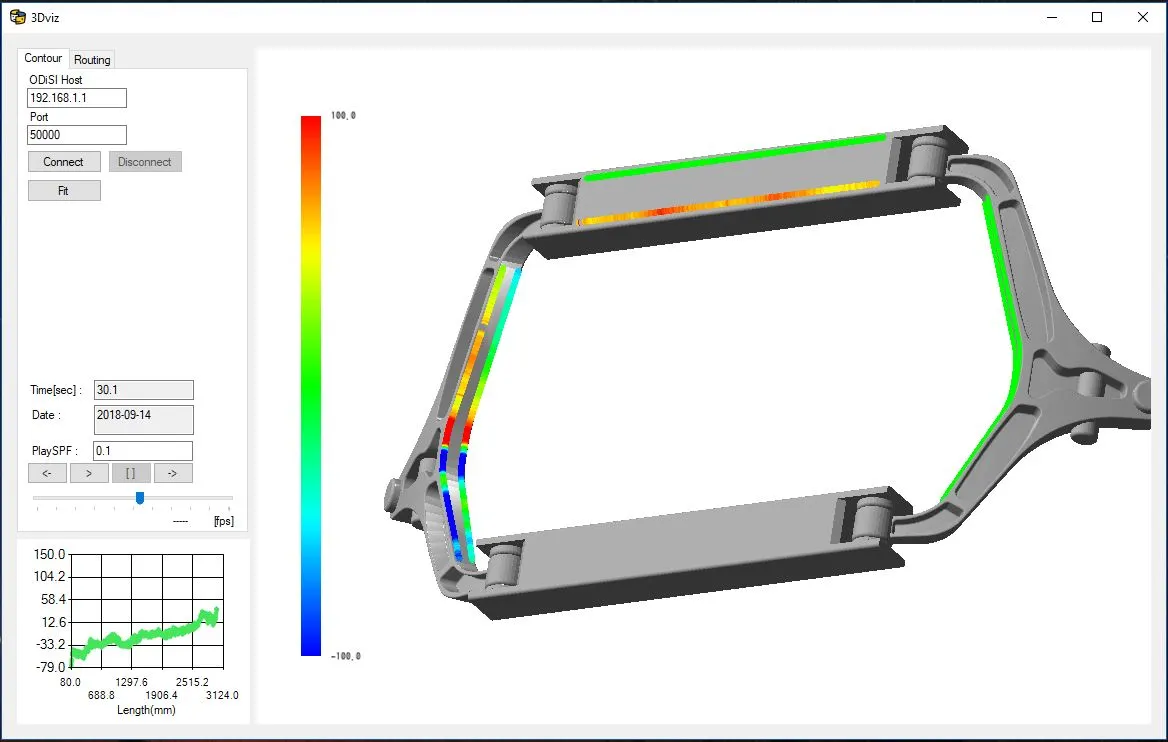
Windows software that maps ODiSI strain and temperature data onto 3D CAD models or 2D images, live or from recorded files.
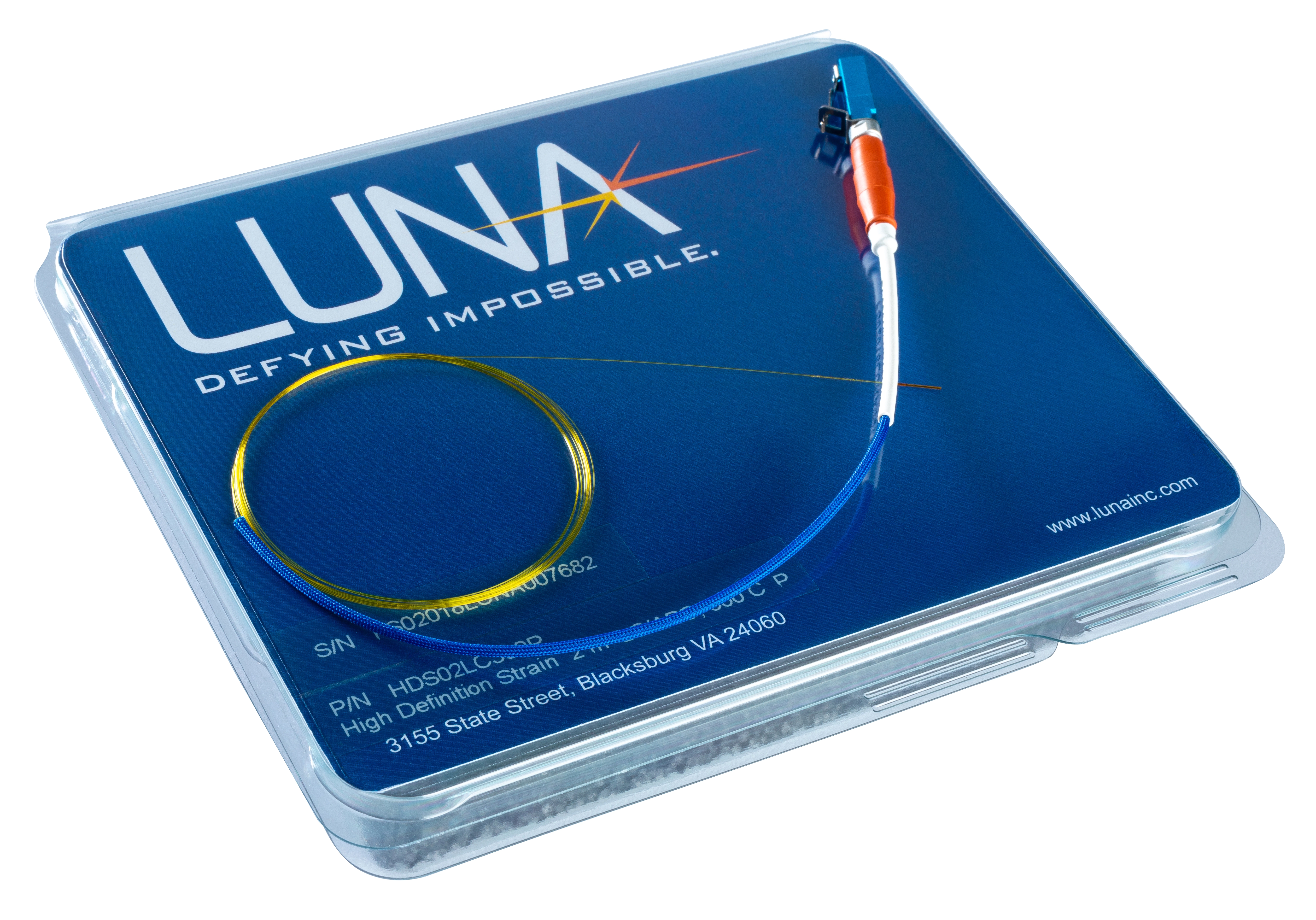
High-definition fiber optic strain sensor that measures strain continuously along its length at sub-millimetre resolution when used with an ODiSI system.
Low-profile, flexible strain-compensated fiber optic temperature sensor with 1 cm gage pitch for use with the ODiSI system.
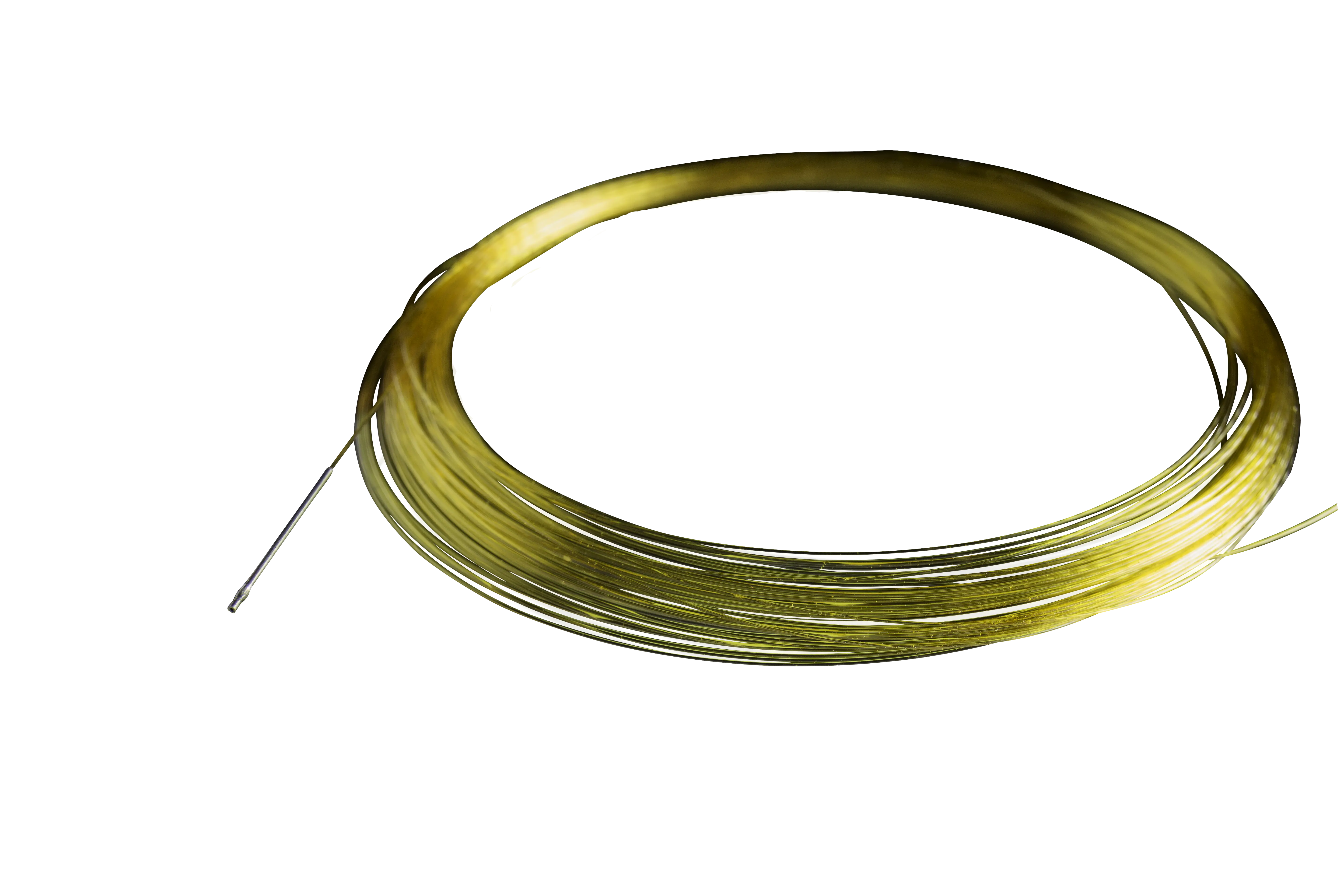
High-definition fiber optic temperature sensor that gives continuous sub-millimeter temperature measurements along the fiber when used with an ODiSI system.